How is it that traveling and psychotherapy are related?
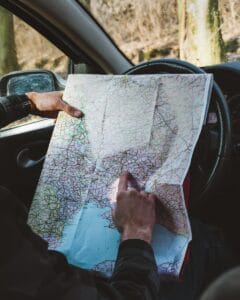 ‘Long time ago’ when we traveled we use to use maps.. Yes, those paper folded treasures, which you opened as you stepped out into the unknown city streets, looking for the nearest coffee shop or simply to know ‘where you are’.
Now there’s google maps, and citymapper apps on your smart phone, and so many other techie devices to help you find your way when you’re lost.
I personally still prefer those ‘real’ maps.. (and paper books too..) and then there are those signs on the street corners and boulevards that help you find your way when you are confused and tell you ‘you are here‘!
When I am in my therapy office (when I’m not traveling, that is..), I often try to help clients explore that same question of ‘where am I – where do I want to go — and how do I get there.’
At times, therapy is somewhat like creating a map that helps us find our way through mazes of confusion, navigating crossroads, grief, decisions, relationships, family, careers, anxieties, spiritual questions and so much more.
 Having a map can be useful and important. It helps to know these three places on the map of our lives: Where am I? Where to I want to go? How do I get there?
It’s not always a simple inquiry, at times it will take a while to figure it out, but once we set on the journey, it all becomes clearer.
For me, being a therapist is like being a tour guide. I somehow can help with finding the way in these foreign landscapes and trails of psychological exploration and also can help my clients when they are lost. I do not have answers, I just hold space for the journey.
And just as I love exploring new countries, cities, and landscapes, I love sitting in my office with my clients, helping them explore their own landscapes and where they want to go.  At times it’s all about seeing the same landscapes with new eyes.
It gets even more complex in my couples work, as the journey is somewhat more compounded and at times complicated and confusing. Not only do couples need to find a mutual journey, they also bring different maps, needs, wants, expectations, hurts and hopes into the landscape.
In her books, Hold Me Tight and Love Sense, Dr. Sue Johnson writes that now for the first time in the history of love, we have a map for love and for relationships. “Romantic love is not the least bit illogical or random. It is the continuation of an ordered and wise recipe for survival. We now have a map that can guide us in creating, healing and sustaining love. This is a consummate breakthrough.”
John Gottman, Ph.D., author of The Seven Principles for Making Marriage Work, writes about Hold Me Tight: “At last, a road map through Emotionally Focused Couple Therapy with its creator. Dr. Johnson’s superb science, humor, and clinical wisdom are finally accessible to all of us. I couldn’t pick a smarter, warmer, and more real guide for this journey.”
When we realize the patterns we created and the complexity of the negative cycles we get caught in, we can find where we are on the map of our relationship and then, with patience, love and therapy, find our way back to each other and to the relationship we once had.

In a recent testimonial from my last Hold Me Tight workshop, A&B say that after the workshop they started understanding their cycle of conflicts and disconnection. They were seeing their recovery time exponentially shorter. Rather then spend days in their ‘fight or flight’, or ‘freeze and flee’, they are able to recognize where they are and find their way back!
They have found the map that helped them find where they are and their way back together. They can identify when their relationship gets hijacked by the panic of disconnection and the protesting when they feel their partner moving away from them. They now possess the understanding of how their fears makes them get lost and how they can again find their way through. They can then communicate more clearly about their vulnerability and their needs.
 One of the reasons I love traveling so much is that time stretches. It’s like being in a time machine, living as if time slows down. So much gets packed in a day. It feels like forever. It’s hard to believe it’s only been two weeks since I left town to go visit my daughter in London (with an added bonus of visiting friends in Paris).
I enjoyed spending precious time with my daughter and seeing old friends and also enjoyed that edge of my wanderlust, reminding me of how much I love to explore the world, being open and getting lost and found on the journey.
There’s vulnerability in travel: stepping out of our comfort zone into new language, new currency, new streets, landscapes and maps. Not knowing where you are or how to get to where you’re going  can be scary at times.
“To my mind, the greatest reward and luxury of travel is to be able to experience everyday things as if for the first time, to be in a position in which almost nothing is so familiar it is taken for granted.” – Bill Bryson
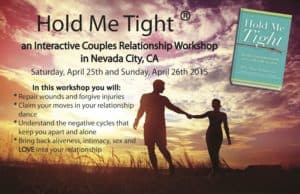
Our Hold Me Tight workshop in October was an amazing experience. The testimonials were superb. I’m always honored to spend a weekend with couples committed to ‘figuring things out’, learning and tuning into each other, and finding their way back to communication, intimacy, and loving bonding.
There will another Hold Me Tight couples workshop coming up in Spring of 2016 in Nevada City, California. Contact me for more information.
 We provide mental health services to deal with anything from ‘home sickness’ to ‘drug over dose’, to sexual assault and domestic violence.
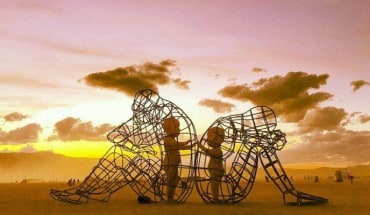
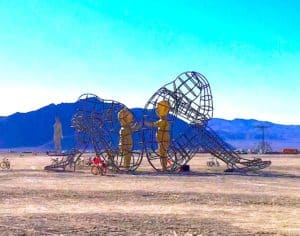 This art installation piece called
  When we are in conflict with our loved one, we turn away from each other in panic, hurt, rage, anger, and pain. We do not know how to reach out and be vulnerable with each other, BUT the ‘inner self’, that part of us that is longing for the connection, does….
 I am always touched and inspired by the risk and the willingness to ‘take the elevator’ and go into ‘raw spots’, talk about fears, pains, and hurts, move into forgiveness and ask for needs in a way that calls partners in rather then pushes them away. I’m always amazed to be in the presence of and hold space for couples who are moving out of and turning around those metal cages and being open and willing to become those illuminated inner figures in the sculpture of ‘LOVE.’
 In these days of uncertainties, with stress over the fires, the drought, mass shootings, and other dangers, local and global, it is more important than ever that we reach out to our loved one/s, to the ‘other’ that we feel #securely #attached to.
 Yes. We are mammals and we are wired for connection! When connection is threatened, we feel the primal panic that sends us into a fight-flight danger response. In our important relations it may look like fights – conflicts – protests for connection. We find comfort and strength in the bond with our loved ones. When that bond is questioned, when the bond is in distress, our sense of safety gets triggered, our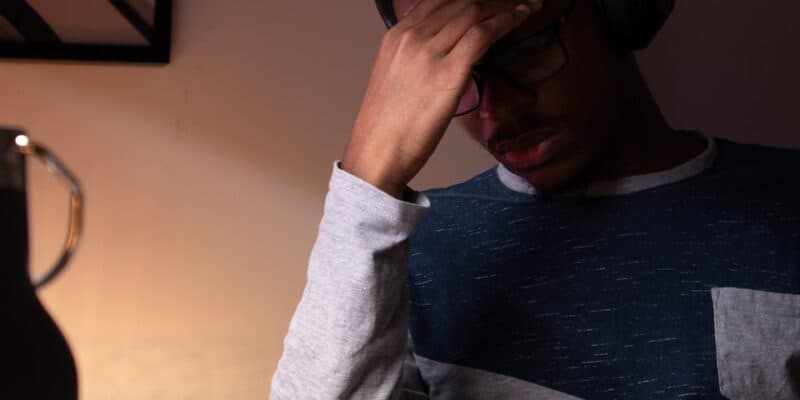
 In my Twenty+ years of marriage, I used to have endless conflicts with my then-husband about him not talking, not sharing emotions, not being as verbal as I wanted him to be. A caring, compassionate, soft-spoken quiet man, I would take his quietness personally, and would protest it endlessly.
 “I cannot do it right by her” he tells me. “I try to be emotional but then she thinks I am weak” he says, or “I hide my emotions and try to be reasonable but then she feels I am avoiding the issues and then when I do finally show anger (which is an emotion), she gets angry back.” And then he says, “I cannot win this,” and sighs, and then we give up, or resign, or withdraw or whatever we do (men and women) when we feel hopeless and helpless.
 One of the aspects we explore in my
  In his book
 Almost everyone has had some encounter with ‘depression’. It could be a family member, a close friend, or oneself, at some time in our life. We all get sad, depressed, in the dumps… Whether it is flunking a midterm, failing a test, missing a deadline, being late for a flight, breaking up with a loved one… shit happens, right?
 The normal ups and downs of life mean that everyone feels sad or has ‘the blues’ from time to time. But if emptiness, despair and
  Sadness or downswings in mood are normal reactions to life’s struggles, setbacks, and disappointments. Many people use the word “depression” to explain these kinds of feelings, but depression is much more than just sadness. Some people describe depression as “living in a black hole” or having a feeling of impending doom. However, some depressed people don’t feel sad at all—they may feel lifeless, empty, and apathetic, or men in particular may even feel angry, aggressive, and restless. Whatever the symptoms, depression is different from normal sadness in that it engulfs your day-to-day life, interfering with your ability to work, study, eat, sleep, and have fun. The feelings of helplessness, hopelessness, and worthlessness are intense and unrelenting, with little, if any, relief.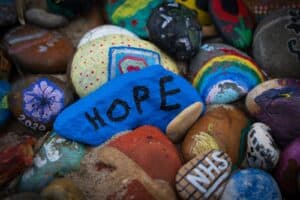
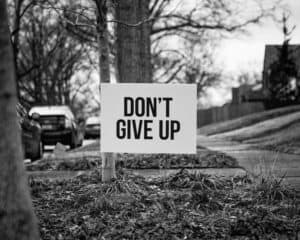 HOPE – is there help for depression? Do not give up!! There are

 Although we cannot be fully likened to other animals, as humans are unique beings, examining the behavior of animals has long been thought of as a means to help us understand our more primal instincts. It seems that the odds are against
  The second and most potent argument for monogamy claims Dr. Johnson, is that we are wired for it! A huge part of our brain is designed not just for social group interaction but for the intimate synchrony of emotional connection and bonding. The pacing, the give and take, the tuning in, the adapting to the others emotional cues between parents and infants and between adult lovers, are all about bonding. The main message of the new science of adult bonding is that the instinct to reach, connect and rely on loved ones is primary, more fundamental even than sex. Monogamous mammals like us have special cuddle hormones like oxytocin or OT – the so called molecule of monogamy. It turns off stress hormones, turns on reward centers, and fills us with calm contentment and well-being.
 Many new models of relationships have been developing to cope and solve some of those issues. In polyamory, the most fundamental element is that of rejecting the monogamous standard, and radically rethinking how you understand, make meaning of and practice love, sex, relationships, commitment, communication, and so forth. I have experienced the surge of the polyamory community, where a complex arrangement where an ‘alpha’ bond, (many times a marriage), is interlaced with other partners, whilst each of the couples is aware, open, and honest about it. At times that includes co-habitation, sharing of house chores, finances, and children, creating rules and regulations and making adjustment as they go. Sounds complex, but those who have been practicing it, swear by it’s amazing power to strengthen the bond between the complex lovers relationships. Others, not less challenging, have chosen the “open relationship” model, at times choosing a “don’t ask – don’t tell” policy and at times employing full disclosure and rules.
 At times, when there is a lot of openness, care, disclosure, and work to re-establish trust and secure bonding, the end result can be that the couple repair their broken relationship; and though the original relationship had to die first, a phoenix can come out of the ashes. But again, not without a lot of
 When we fall in love we are flooded with oxytocin we are in bliss of romantic dreams, we are on to ‘forever’.